

A signed purchase agreement lands on the kitchen table. Both parties shake hands, the buyer starts calling movers, and then the seller gets cold feet. Maybe a better offer came in. Maybe they decided they don’t actually want to leave. Whatever the reason, the seller is done with the transaction. So what happens next?
Ohio real estate contracts are legally binding agreements, and the moment both parties sign, the rules of the game change completely. There is no “just changed my mind” exit for sellers. Contract terms control, and Ohio law takes breach of contract seriously. With that in mind, there are specific situations where a seller can walk away cleanly, and there are situations where walking away triggers a chain of legal and financial consequences that sellers never see coming (and rarely budget for).
What Ohio Home Sellers Should Know Before Signing a Purchase Agreement
Did you actually read every page before you signed? A real estate contract needs to be signed to be valid, and any addenda must be signed by all parties after the addendum is added. That’s not a technicality. I’ve seen sellers try to claim a clause “wasn’t part of the transaction” only to find out it was buried on page four of an addendum they initialed without reading. Once your signature is on the document, you’re bound to what’s written there, not to what you remembered agreeing to.
Earnest money is not required under Ohio law to have a binding contract. Many sellers assume that if a buyer’s deposit is small, the transaction is soft. A purchase agreement is binding with or without earnest money, as long as it meets the basic elements of a valid contract.
Under Ohio Revised Code 4735.24, the real estate broker holding a buyer’s deposit must keep it in a trust or special account according to the terms of the purchase agreement. Money doesn’t automatically flow to the seller if the transaction falls apart. Both sides have to agree on where it goes, or a court decides. Those who think they can just “keep the deposit and move on” often get a rude surprise when a buyer disputes the disbursement. Before you sign any purchase agreement in Ohio, have an Ohio-licensed real estate attorney look it over.
If you’d like to avoid the uncertainty of a traditional purchase agreement, Lorain County Homebuyers offers cash purchases with a straightforward process and no financing contingencies, helping Ohio homeowners understand exactly what they’re agreeing to before moving forward.
Here Are the Key Realities of Seller-side Contract Cancellations

Once a purchase agreement is signed in Ohio, sellers generally cannot back out without legal consequences. The contract doesn’t care about your change of heart, the neighbor’s higher offer, or the inheritance that made selling suddenly feel unnecessary. What it cares about is whether a valid contingency existed and whether that contingency was properly invoked (and “properly” does a lot of work there).
Invoking a contingency properly usually means putting it in writing and doing it inside the window the contract sets, not weeks later once the seller has already lined up a better transaction. Miss that window, and the contingency stops protecting you. Ohio courts look at the actual language in the agreement, not what a seller assumed they could do if things changed.
A family I worked with in Westlake had listed with two separate agents over about 14 months, with zero offers worth considering. Both contracts expired while they kept the house show-ready on weekends and watched their carrying costs climb. By the time they called us, they were done with the traditional process entirely. The purchase agreement we put together moved to closing without drama because the terms were clear from day one (no ambiguous contingency language).
Sellers sometimes assume a higher backup offer erases the first contract, but it doesn’t. The original buyer’s rights stay in place until that contract is terminated the right way, whether through a mutual release, an expired contingency, or a judge’s ruling. Chasing a bigger number without closing out the first transaction properly can leave a seller owing damages on a house they no longer even own.
Real estate contracts are legally binding, and a seller who accepts a higher offer and tries to exit an existing contract doesn’t get away clean just because the new transaction looks better on paper.
What Are the Legal Reasons a Seller Can Cancel a Real Estate Contract?
A seller in Mentor came to us after a buyer’s financing fell apart for the third time in two months. The contract had a financing contingency; the buyer couldn’t get approved, and the whole sale evaporated. The seller lost weeks of market time but had zero legal liability because the contingency covered exactly that scenario.
Contingencies are where sellers find their legitimate exits. If contingencies are not met or waived, and the relevant party notifies the other within the applicable time period, all deposits are to be promptly returned to the buyer, and the transaction dissolves without penalty (financing contingencies trip this up most). Common seller-side exits include:
A buyer who can’t secure a mortgage and fails a financing contingency. A home inspection that reveals something the seller disclosed incorrectly, creating grounds for mutual cancellation. A title search that uncovers liens or ownership disputes that prevent the transfer. Title or ownership issues, or a lien on the property, can create legal hindrances to the seller’s authority to sell and may nullify the sale.
Mutual agreement is another path. If the buyer is also willing to walk away, both parties can sign a cancellation and go their separate ways without anyone heading to court.
If you’re considering a cash sale instead, contact us for a cash offer and see what your options look like without the uncertainty of another financed buyer.
How to Legally Exit a Real Estate Contract as a Seller in Ohio

So the contingencies are gone, the buyer got financing, inspections passed, and the seller still wants out. Clean options run out for sellers at that point.
In the event of default by either party, the other party may pursue any legal or equitable remedies, including specific performance. Specific performance is exactly what it sounds like: a court can order the seller to complete the sale, which means the judge isn’t offering the seller a way out with a check. Not just to pay damages. To hand over the deed and close.
The practical path that avoids litigation usually involves negotiating with the buyer directly. Offer to compensate them for their costs: inspection fees, appraisal, loan application fees, time. Certain buyers will accept a settlement and release the seller from the contract. Others won’t, especially in a market where they were competing against other offers. Cash home buyers in Ohio may also be an option for sellers looking for a simpler alternative, depending on the situation. Sellers who wait to have this conversation until the week before closing almost always pay more than those who address it early, so getting ahead of it saves real money.
Reaching out to a mediator before involving attorneys can also save thousands. Mediation keeps the dispute out of court and gives both sides more control over the outcome, though it only works if the buyer is willing to participate.
What Happens to a Seller Who Backs Out Without Cause in Ohio?
Some sellers think the buyer will just be inconvenienced for a few weeks and move on. This underestimates how Ohio courts treat contract breach.
When a real estate contract is breached in Ohio, the buyer can sue for monetary damages, sue for specific performance, or both. The difference between the agreed sale price and the property’s market value at the time of the breach can typically be claimed by buyers. A judge could order the seller to sign over the deed and complete the sale. Beyond that, the seller often has to pay the buyer’s legal fees as well as their own, making a breach get expensive fast for the party walking away.
An alternative to damages is an award of liquidated damages provided for in the contract itself. If the damages resulting from a breach would be difficult to ascertain at the time of contracting, the parties can agree in advance to a specific amount. Read your contract before assuming the earnest money is the only thing at stake.
Courts in Ohio don’t weigh in on why a seller changed their mind. A better offer, a family emergency, or simple buyer’s remorse carries the same legal weight: none. Unless the seller can point to a contingency in the contract, like a financing condition or an inspection clause, a change of heart alone won’t free them from the transaction. That’s part of why sellers should read a purchase agreement closely before signing it, not after they’ve decided they want out.
How Buyers Can Protect Themselves From a Seller Who Wants to Walk Away
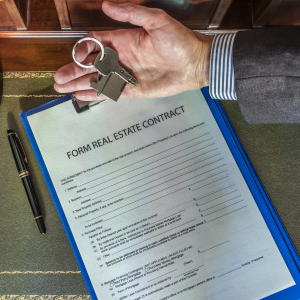
At a median sale price of $260,500 in Lorain County, buyers are coming in with real skin in the game: inspections, appraisals, loan applications, and time off work. A seller who backs out doesn’t just inconvenience a buyer. They’re costing them real money. If you’re considering selling instead, a cash-for-houses company in Lorain and other Ohio cities may offer an alternative without the financing contingencies and delays that come with a traditional buyer.
Buyers should get everything in writing and keep every piece of correspondence, including emails. Unless an agreement is in writing, it doesn’t exist as a legal matter, even if both parties agreed verbally. Any modification to the purchase agreement after signing needs signatures from everyone (every party on the contract), or it’s unenforceable.
A buyer who has a purchase contract with a seller who wants to withdraw should consult a real estate lawyer. Buyers weighing whether to sue should talk through the math carefully: legal relief can be costly and time-consuming (attorney fees alone add up fast). Sometimes negotiating a settlement is faster and cheaper, even when the buyer is clearly in the right.
A buyer who senses a seller getting cold feet should ask for an extension addendum in writing rather than accepting a verbal promise to “figure it out later.” That addendum should spell out new dates for financing, inspection, and closing, signed by both sides. It also creates a paper trail showing the seller still recognized the contract, which helps if the buyer later needs to prove the transaction was never in dispute.
Frequently Asked Questions
Can a Buyer Sue a Seller for Backing Out?
Yes, and Ohio courts take it seriously. A home seller who backs out of a purchase contract can be sued for breach of contract. A court may order the seller to complete the sale, return the earnest money deposit, and cover the buyer’s legal fees. Consulting a real estate attorney early gives you a much clearer picture of your exposure.
What Happens If a Seller Changes Their Mind?
Changing your mind doesn’t dissolve a binding contract. A home seller can withdraw from a real estate contract, but only if they are willing to compensate the buyer for their losses or if the buyer is also experiencing second thoughts and agrees to cancel. Without a buyer agreement or a valid contingency, a seller who changes their mind faces the same legal liability as any other breach.
Can a Realtor Sue You for Backing Out of a Contract?
An agent generally can’t sue a seller for backing out of a purchase agreement with the buyer, but backing out of your listing agreement with your agent is a different matter. Agents may have their own contractual remedies if a seller cancels the listing agreement early without cause. Read your listing contract before you sign it.
If you’re in Elyria, Amherst, or elsewhere in Lorain County and trying to figure out your options, whether that’s selling quickly, understanding what a contract actually obligates you to, or just getting a straight answer on what your property is worth, Lorain County Homebuyers is a good place to start the conversation. No pressure, no obligation. For more information, contact us at (440) 681-2114.
Helpful Ohio Blog Articles
- Ohio Real Estate Commission Rates
- Ohio Capital Gains Tax on Home Sale
- Who Pays Closing Costs When Selling a House in Ohio
- Can You Sell Your Home After One Year In Ohio
- How Long Does It Actually Take to Sell A House In Ohio
- How To Avoid Closing Costs When Buying A Home In Ohio
- Selling A House With Septic Tank Problems In Ohio
- Can the Seller Back Out of a Real Estate Contract in Ohio
- Appraisal Required Repairs in Ohio
- Tax Implications of Selling Your Home Below Market Value