

The need for probate for an estate in Ohio generally depends on the estate’s value and the details of the case. If you are forced to go through this stressful process, you should know the costs and limitations that come with it. This guide is designed to help you understand the probate process. You’ll learn about why it’s important and the steps involved so you can handle it confidently
Key Highlights
- Ohio probate is necessary for assets titled solely in the decedent’s name or without a beneficiary.
- Not all decedent assets pass probate; trusts and joint properties usually don’t require probate.
- Probate costs in Ohio are influenced by estate size, complexity, and court rules.
- Minimizing probate costs involves strategic estate planning, like using trusts and designating beneficiaries.
- The summary release process in Ohio offers a streamlined probate alternative for qualifying small estates.
Understanding Probate Requirements in Ohio

It’s confusing how Ohio treats inheritances, but lots of estates need it. If you need probate, it can help you plan your estate and keep track of the cost, especially if you are looking at options with cash home buyers in Ohio to quickly deal with inherited property. Anything that involves taking care of an estate is very important, from what Ohio law requires people to do to what the family court does. By learning important probate rules, such as what types of assets go through probate, we can make the process of managing an estate and family property less difficult. Whatever the size of the estate, none of these things should be left out of the divorce process.
When is Probate Necessary?
Knowing when you need an Ohio bankruptcy is one thing to know about estate handling. The process for probate varies depending on whether the estate’s assets are only in the name of the deceased or if a receiver has been appointed. You can probably only get land and the things those groups own through probate. Probate includes bank accounts not titled as “payable on death,” real property titled in your individual name, and personal items not secured by a trust. Small estates may be able to take advantage of easier options, such as not having to go through administration, depending on how much they are worth and how simple their case is. Such decisions must be made based upon the manner in which assets are held and the total value of the estate in accordance with Ohio inheritance law.
The presence or lack of a formal will also impacts the probate process. When a person dies, his will says to the succession court how the property of his estate is to be distributed and who the beneficiaries are. That’s what the law in Ohio says. If a person dies without a will, his property is divided among his children in a certain way. “This could make it harder to shop for gifts and take longer and cost more.” One way to get around some of these issues and avoid the probate process altogether is to use a living trust. These things will help you navigate the probate and plan for the legal world after someone dies.
What Assets Go Through Probate?
The estate of a deceased person does not automatically end up in bankruptcy. Under Ohio law, property without a right of survivorship or designated beneficiaries must go through probate. This would encompass property, bank accounts, and assets previously owned by the person who has died. Many of these can be turned into assets that are not inherited if the estate is well planned. This makes the estate easier to administer. Adding a joint owner or using payable-on-death titles can make things non-probate property in probate. This can make the Ohio probate process easier and can speed up the distribution of the estate and reduce the costs of probate.
Trusted assets do not have to file for bankruptcy, so they do not have to sell with the issues that come with it. Trusts can be very valuable and can make it easier for the estate as a whole to receive gifts. Life insurance policies, retirement accounts, and property owned equally by two or more people usually do not have to go through probate. This emphasizes the importance of correct ownership assignment and keeping up to date with who owns what. If families plan carefully for inheritance property and estate planning is done according to the individual’s wishes, families will not have to face extra troubles after the death of a loved one. Knowing how Ohio handles inherited property and planning your estate accordingly will make the process much quicker and easier, saving you time, money, and stress.
Key Factors That Influence Probate Costs
It is important to know what changes the costs of probate in Ohio so that you can manage your estate well. Some of the things that change these prices are how hard the divorce is, how much property there is, and what Ohio law says must be done. To better prepare for how divorce will affect their finances, people should learn how to estimate fees and find ways to keep costs as low as possible. If you know how the probate court works, plan your estate well, and use tools like trusts and summary release, you can save both small and large estates time and money during the probate process.
The Impact of Ohio Law on Probate
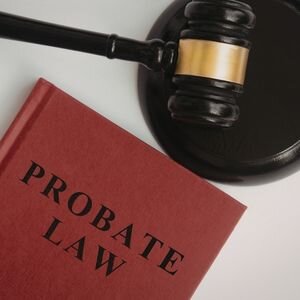
Ohio law greatly influences the divorce process because it controls how people deal with their estates. Understanding Ohio law as it pertains to probate can help you plan your estate more effectively and understand the probate court system. The key things to note are what Ohio law means by “probate” and how a “summary release” works. Having these pieces is important so that the estate court can do a better job and assets can be distributed more quickly after someone dies. The next step is also obvious.
How Ohio Law Defines Probate Decedents
Probate is the legal process of settling an estate when someone dies in Ohio. It’s under the state’s probate court. Here is where the state law comes in. It gives a systematic manner of handling the estate management to make sure that all the debts and taxes are paid once the estate is closed. In Ohio, any estate with assets solely in the name of the deceased and no one named as a receiver must file for bankruptcy, according to Ohio law. Such things include bank accounts and personal property not held in a trust. This stuff is called “probate assets,” and it is the responsibility of the probate court.
“Probate is the legal recognition of a will or the legal division of assets if there is not one,” Ohio law said. This is a very important process to the probate court in Ohio. This is because they have to ensure the will is legal and that the assets are officially transferred to the new owners. The executors take care of this through the inheritance court. They ensure the estate is in compliance with state law and that all legal and financial obligations of the estate are met.
Probate in Ohio is a difficult legal process with strict rules on how to handle an estate. The probate process can be made longer and more expensive with poor estate planning. This is because your estate’s value and complexity may require it to. Knowing the meaning of Ohio’s probate term means knowing how the state manages estates fast. However, there are many difficult legal questions involved, but the court keeps an eye on the process to make sure it runs smoothly. With proper estate planning, you can avoid many of the problems that can occur in Ohio probate.
The Summary Release Process in Ohio
Often, Ohioans can choose a summary-release procedure, which is faster than probate. It can be used in some cases to help run the estate. This method is ideal for small estates. Or, the person who died didn’t have much money or other property. This is a streamlined process, reducing the number of steps involved, such as when the beneficiary is a surviving spouse or minor child. This makes inheritance much less expensive and easier.
There are certain rules in Ohio on what an estate must do to receive a summary release. If the value of the estate, less funeral and burial expenses, is below a certain amount, you may be able to use this faster legal process. Most estates will opt for a summary release instead of the long probate process to keep court costs and interest in probate as low as possible. That accelerates asset distribution. Knowing these rules will help estate planners and heirs plan for and navigate the probate process.
Ohio has more reasons to use a summary release than just saving money. It expedites the distribution of property and demonstrates to you what the probate court typically does and how it does it. If the estates follow the rules given, this process is very useful in making their wills. That just goes to show how important it is to be responsible and know what’s going on.” The summary release is legal in Ohio. It also gives families practical tools to handle estate property in accordance with the law and the wishes of the deceased as conveniently as possible.
| Key Element | Description | Implications |
|---|---|---|
| Probate Definition | The legal process through which a deceased person’s will is validated, and their estate is administered. | Ensures that the decedent’s wishes are honored and debts are paid, offering a clear legal pathway for asset distribution. |
| Summary Release | A simplified probate process in Ohio designed for small estates with limited value and liabilities. | Reduces time and costs involved in estate administration, providing a more accessible solution for qualifying survivors. |
| Estate Administration | The management and settlement of the decedent’s estate, including asset collection, debt settlement, and distribution. | Executor is responsible for adhering to Ohio probate laws, ensuring proper management and legal compliance of the estate. |
| Roles and Responsibilities | Defined duties for executors and administrators, including filing necessary documents and communicating with beneficiaries. | Crucial for executors to understand their obligations to avoid legal repercussions and ensure the estate is managed efficiently. |
This table shows the most important parts of how Ohio law changes the process of inheriting. When people are planning their property, it helps to be clear and ready.
How to File Probate in Ohio Effectively

To properly handle your estate when you file for bankruptcy in Ohio, you need to know the state’s rules. You need to know how the transfer process works, how much it costs, and how to make it go more smoothly in order to be a good manager. In Ohio’s inheritance court system, there are rules about how to handle family assets, plan an estate, and give away property after someone dies. This part will show you how to make probate easier, talk about common issues with filing, and walk you through the steps for doing probate tasks well. It will be easier to file for probate in Ohio if you know these things. If you are a property owner looking to move quickly, check out our guide on How to Sell an Apartment in Ohio for practical tips and strategies.
Steps to Streamline the Probate Process
First, list everything that is in probate. You will need to locate any property or bank accounts that the deceased owned in his/her name and not in trust for someone else. Sorting these things out will help you to get on with how to deal with them more quickly and more effectively. Having a well-written will that clearly states the ownership of property and distribution of funds will make the divorce process much easier for you. Living trusts and payable-on-death accounts can place assets outside of probate and into non-probate status. This facilitates administration. To speed up your Ohio probate process, it is important to understand the basics of the steps of estate administration and how our process works in selling property in probate.
Then you must contact the probate court right away. You have to file a petition to open the probate and the will, and also the person’s will in the court. If you adhere to the time limits imposed by the probate court, you may be able to save money on probate costs. That will get the paperwork moving fast. You know what the Probate Court does in Ohio. Rules are observed, you may be sure. Notices to be given to creditors. A good Ohio estate attorney can be very helpful in understanding the rules and getting things moving along.
An estate court will appoint an executor to distribute the property to the right people. This includes paying bills, taxes, and distributing all remaining assets in accordance with the will or the law of the state if no will exists. Full estate administration is required to ensure that all legal obligations are met and the estate is closed without delay. But a good legal strategy, like exploring options for a summary release, can really speed up the distribution of estate property, particularly for small estates. “Smart law and estate planning make these steps easier.” They cut through the red tape, and they make sure the laws of Ohio are followed where estates are concerned.
Common Challenges When Filing Probate
Common problems can arise when asking for probate, which makes sorting out an estate harder. A big problem is that the family court is hard to figure out. You’ll have to know a lot about Ohio estate law to get around the rules on filing, debt claims, and court orders. Poor estate planning or lost records can further delay things, making it take longer and cost more. Before you start the formal process, get all your estate paperwork in order. This will help you prevent these problems.
And one of the things that comes up a lot is the kinds of heirs or recipients. The probate court can take a long time to read the will. Things can get heated. Arguments over the contents of a will. There may also be legal problems if creditors make claims against the estate that were not anticipated. This is a matter to be settled by law of property. It can take longer to close an estate, cost more, and involve more paperwork. This is a good example of why it is important to have a good estate plan, so that problems like this do not occur. You want to talk to everybody so you don’t make mistakes, and so you get honesty.
It’s also hard to keep up with estate costs. Watch your money, these fees add up quickly. They include court costs, attorney fees, and estate charges. If you have to sell with legal issues, an Ohio estate attorney can help you more, but it costs more. In addition, managers’ understanding of the effect that assets in probate have on total probate costs enables them to plan and control costs more effectively. A summary release and other ways of handling inheritances. Estate planners who plan ahead for them with tools such as trusts will have a much greater chance that problems will not arise in the Ohio court process.
It can be hard to understand Ohio’s divorce process because a lot of things can change, whether or not an estate needs to go to court. When planning your estate and taking care of it, it’s important to know what the threshold for worth is and how much it costs. Some people can do their jobs better and make the change go more easily for everyone if they use tools and talk to lawyers. Finally, being aware of what’s going on lets you make smart decisions and effectively safeguard your things. You might want to read some helpful books or talk to a professional for help with these hard steps and to keep your cool during the whole thing. If you’re dealing with inherited property and rising costs, choosing to sell your house fast for cash in Westlake can help you avoid delays, reduce expenses, and simplify the probate process.
FAQs
When is probate required in Ohio?
Probate is required in Ohio when assets are titled solely in the decedent’s name or when there is no beneficiary designated. If personal property or other assets fall into these categories, probate is generally unavoidable.
What kinds of assets avoid probate in Ohio?
Assets such as those held in trusts, jointly owned properties, and accounts with designated beneficiaries generally bypass probate in Ohio. This includes life insurance policies and retirement accounts assigned to the correct beneficiaries under proper beneficiary designations.
How can probate costs be minimized in Ohio?
Minimizing probate costs involves strategic estate planning, using tools like living trusts and designating beneficiaries for financial accounts to transform probate assets into non-probate assets, thereby expediting distribution and reducing associated fees.
What is the summary release process in Ohio?
The summary release process offers a streamlined probate alternative for small estates that meet certain value thresholds. This legal option reduces probate complexity and court involvement, significantly cutting down probate-related costs.
What affects probate costs and fees in Ohio?
Probate costs in Ohio are affected by the estate’s size and complexity, court fees, attorney fees, the presence of legal disputes during the probate process, and the estate’s executor. Efficient estate administration and planning can mitigate some of these expenses. If you’re dealing with a probate property and want to simplify the process, you can fill out our quick contact us form to explore your options and get a no-obligation offer.
Helpful Ohio Blog Articles
- Can My Spouse Sell Our House Without My Consent in Ohio?
- Can You Sell a House With a Mortgage in Ohio?
- Can You Sell a House with a Tax Lien in Ohio?
- The Basics of Ohio Squatter’s Rights
- Who Pays the HOA Fees at Closing in Ohio?
- Do You Need a Deed to Sell a House in Ohio?
- How to Sell a Condemned House in Ohio
- How Much Does an Estate Have to Be Worth to Go to Probate in Ohio?
- How to Sell an Apartment in Ohio
- Ohio Real Estate Commission Rates
- How to Sell a Hoarder House Fast in Ohio