

A screwdriver pressed into a basement sill plate tells you more in four seconds than any listing photo. Subterranean termites work from the soil upward, quietly, inside framing that still looks solid from the outside. By the time an Ohio homeowner notices mud tubes running up a block foundation, the colony has usually been feeding for a season or three. Your sale isn’t doomed because of that. It’s an arithmetic problem with several decent answers, and the one you pick decides whether you give up a few thousand dollars or twenty-five.
I’ve bought houses with wood-destroying insect damage all over northern Ohio. The sellers who kept their money did a handful of the same things early.
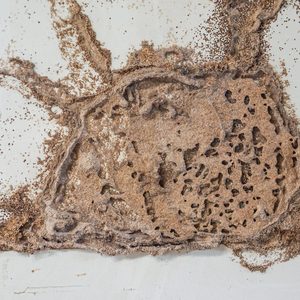
Start with twenty minutes, a flashlight, and that screwdriver. Probe the sill plate, the rim joist, and the base of any post near soil. Sound wood resists, while bad wood gives like cork. Look for pencil-width mud tubes on the walls and shed wings near basement windows in spring.
Is It Hard to Sell a House That Has Had Termites in Ohio?
Sellers hit one wall first, since buyers price termite history by fear, not by invoice. A $1,400 repair can turn into a $12,000 demand at the table, because the buyer’s mind fills in all that’s behind the drywall. That gap between the real cost and the feared cost is where sellers lose money.
Hard to sell? No. It’s slower and more expensive if you handle it badly.
Ohio’s market still gives you some cover. Redfin put the statewide median sale price at $279,992 in July 2026, up 3.7% from a year earlier, with homes selling in a median of 43 days. Demand like that means a damaged house will sell. The open question is whether it goes near its repaired value or at an investor discount you didn’t choose.
Buyers have more to pick from, too. The state had 44,213 homes for sale that month, up 7.7% from a year before. A nervous buyer with a bad inspection report now has somewhere else to go, and they walk faster than they used to.
Lenders add another layer. VA loans require a wood-destroying insect inspection in Ohio. FHA calls for one when the appraiser sees signs of pests or when local custom or law requires it. An appraiser who spots obvious structural damage can also hold up the loan until a contractor does the work. Cash buyers skip all of that, though they price the risk into their number.
The houses that struggle aren’t the ones with termites. They’re the ones where the seller got caught hiding them or where nobody scoped the damage well enough to tell a $2,000 fix from a $20,000 one.
Do You Have to Disclose Termites When Selling Your House in Ohio?
Picture a seller who had a crawl space treated six years ago, kept the receipts, and handed them over with the disclosure form. Now picture the same house and treatment, but a blank line on the form and a buyer’s inspector who finds old bait stations in the side yard. Both houses had termites. Only one of them closed.
Ohio does require disclosure, though the rule is narrower than many people think. Under Ohio Revised Code Section 5302.30, most sellers of homes with one to four dwelling units must complete the state’s Residential Property Disclosure Form. The Ohio Department of Commerce, Division of Real Estate and Professional Licensing, issues that form. One question asks whether you know of any past or current wood-destroying insects or termites or any damage they caused.
The law asks what you actually know, so you don’t have to hire someone to hunt for problems you’ve never seen. Be specific about what you do know. “Active subterranean termites found in the crawl space, treated by a licensed company, two joists sistered” is a complete answer. Guessing at what else might be hidden tends to scare buyers more than the facts do.
Inherited houses get one break. If you got the property through an estate and haven’t lived there in the year before the sale, the law exempts you from the form. The state’s fraud rules still apply, so share what you know and pass along any records that came with the house.
Timing matters too. The form should reach the buyer before they sign the purchase contract. If it shows up later, the buyer can back out in writing within three business days of getting it. That right ends at closing or 30 days after you accepted their offer, whichever comes first.
Selling as-is doesn’t get you out of this. An as-is clause puts the burden of finding unknown defects on the buyer. It doesn’t protect anyone who hides or misstates a known problem, and a buyer’s lawyer will look hard for exactly that kind of cover-up. If you’re weighing that route anyway, here’s whether you can sell a house as-is without inspection in Lorain, OH.
In my view, disclosure is the cheapest insurance you’ll ever buy. A documented, treated history reads as a job done right. A blank line that an inspector later contradicts reads as a lie, and that can sink the sale, not just the repair.
What Are Your Options When Selling a House with Termite Damage in Ohio?
Treating before you list is almost always cheaper than haggling after an inspection. That’s option one. Hire a licensed pest control company, treat the problem, fix the bad wood, and list the house as a normal home with a paper trail. You’ll get back most of what you spend, and you keep the financed buyers who can’t close on a house with a weak frame.
Do it in the right order or you’ll pay twice. Treatment comes first and carpentry second, because a carpenter who swaps a joist while the colony is still active has just bought the termites fresh lumber. If the damage touches anything holding the house up, hire a contractor who does framing work and can explain the fix to an inspector.
Option two is listing as-is with full disclosure and a price that fits the condition. This works when the damage is contained and the market is moving. It fails when someone prices it like it’s cosmetic, then cuts the listing in public, one reduction at a time.
You can also sell directly to one of the Cash House Buyers in Ohio. That third option is right more often than agents like to admit. You skip the inspection haggling, the lender’s insect report, the appraisal risk, and the repair timeline. We buy houses this way through Lorain County Homebuyers, and the trade is simple: a lower cash number for certainty and speed.
A retired couple in Amherst called me on a Monday with a job transfer that gave them five weeks to move. Their crawl space had active termites along two joists, and the garage held forty years of woodworking tools. Five weeks doesn’t leave room for treatment, carpentry, listing, inspection, and a financed closing. We bought it as-is, and they left the workbench behind.
| Option | Best fit | Main tradeoff |
|---|---|---|
| Treat, repair, and list | Six months or more and cash for the work | You front the cost, and financed buyers stay in play. |
| List as-is with full disclosure. | Contained damage in a moving market | Overpricing leads to public price cuts. |
| Sell directly for cash. | A deadline, an estate, or repairs you can’t finance | A lower gross number in exchange for certainty and speed |
Which Termite Treatment Options and Warranties Reassure Ohio Buyers?
A seller in Medina had one damaged porch bandboard, and a pest company offered that covered the whole perimeter. She paid for the full barrier anyway. The coverage that came with it was worth more to buyers than what she’d have saved by doing less, and she was right.
Liquid soil barriers are the standard treatment for subterranean termites, the type doing nearly all the damage in Ohio. A crew trenches along the foundation and injects termiticide, so the colony has to cross treated soil to reach the wood. HomeGuide puts a whole-home job at $500 to $2,000, or more for a bad case. Where a slab blocks the soil, they drill and patch the concrete, so mention the treatment up front before an inspector finds a row of plugs.
Bait systems take another route, using stations in the soil that carry a growth regulator back to the colony. HomeGuide puts a whole-home bait setup at $1,000 to $2,500, plus $200 to $400 a year for monitoring. Tent fumigation comes up a lot online, but it’s mainly for drywood termites, which aren’t native to Ohio. If someone pitches tenting here, get a second opinion.
Warranties are where the real leverage lives. A written bond that transfers to the next owner answers the buyer’s real question. They don’t care what it cost you. They want to know what happens if the termites come back. Before you sign, ask whether the bond transfers at sale, whether it covers damage repair or just retreatment, and who pays any transfer fee.
Licensing makes the paperwork hold up. The Ohio Department of Agriculture licenses pest control operators under Chapter 921 of the Revised Code. Lenders want the wood-destroying insect report signed by a licensed inspector, and a handyman’s receipt won’t satisfy an underwriter.
Keep every document in one folder:
- The original inspection
- The treatment invoice
- Photographs of the repaired framing
- The transferable warranty
- Any follow-up service tickets
That folder does more for your sale price than new quartz countertops would.
Which Wins in Ohio: Termite Remediation Costs or Price Concessions?
Fix it, or just give the buyer a discount? Sellers ask me this all the time, and the table is lopsided. Once an inspector says the word “termite,” buyers often want a discount several times the repair offer. I’ve seen a contractor quote $3,000 and the buyer’s agent counter with $8,000. Contractor work you finish before listing costs what it costs. Concessions run as high as the buyer imagines.

A credit at closing also doesn’t fix a chewed-up sill plate. If the appraiser flags structural damage on an FHA or VA loan, the lender may require the repair before funding. Now you’re doing the work anyway, on the buyer’s schedule. It’s worth reading up on appraisal-required repairs in Ohio before you offer a credit.
Credits do win on cosmetic or contained damage once the treatment is done. If the colony is dead and the warranty transfers, maybe all that’s left is a stretch of baseboard and a porch post. A modest credit there lets the buyer pick their contractor.
They lose on anything load-bearing, like floor joists, band boards, sill plates, and stair stringers. Buyers can’t finance a structural unknown, and appraisers in Cuyahoga and Lorain counties aren’t shy about calling it out.
Ask your agent about an escrow holdback if the timing is tight, where part of your proceeds sits with the title company until agreed repairs are finished after closing. The buyer’s lender has to approve it, though, and plenty won’t on the framework.
One cheap step pays for itself. HomeGuide puts a pest inspection at $0 to $250. Getting that report before you list turns a scary unknown into a scoped, priced line item, and scoped problems negotiate far better than mysteries.
How Do You Price a Home with Termite History in Ohio?
Price it like nothing happened, and you’ll sit, cut, sit again, and end up selling for less than an honest number would have brought in week one.
Start with sold comps in repaired condition. Then subtract a written contractor estimate plus a modest cushion for risk. Not a guess, but an estimate on letterhead you can hand to a skeptical buyer. Stay inside your school district and favor recent closings over active listings, with a similar age and foundation type.
Local numbers beat state averages here. Resideline tracked 464 closed sales in Lorain over the six months before its October 2026 update, with a median price of $160,000. The middle half closed between $110,000 and $215,000, and the median time from listing to contract was 14 days. That spread tells the real story, because condition alone can split two homes on the same street.
County values run higher than the city’s. Avon and Avon Lake pull the Lorain County median up, while Elyria and older housing stock pull it down.
Pricing a little high “to leave room” backfires once you disclose damage. Your buyer pool is already smaller, and padding shrinks it again. Price it where a buyer with a contractor friend would consider it fair. If the math still doesn’t work after an honest deduction, compare a listing against a direct cash offer and let the two net numbers settle it.
How Do You Market a House with Termite History to Ohio Buyers?
Put the papers on the kitchen counter before anyone walks in. Buyers who find a treated termite history during the inspection feel ambushed. Buyers who read about it in the listing remarks and see the warranty first have already priced it in before they fall for the backyard.
Photograph the repaired framing, because a clear shot of a sistered joist with new lumber and fresh hardware does more than a paragraph of promises.
Keep your listing language plain. “Treated for subterranean termites by a licensed company; transferable warranty in place; affected joists replaced” reads as confidence. “Pest issue previously addressed” reads as dodging, and real estate agents will tell you buyers smell the difference.
Pick the buyer you’re aiming at. Financed buyers move on a lender’s timeline and need clean papers. Investors move in a week and don’t care about warranties. Market to one of them on purpose.
Clear a path to the repaired area before showings, and put a decent light down there. Fix what invited them in the first place, too. Pull soil and mulch back from the foundation and redirect the downspout that dumps water at the corner.
I’d skip the open house. Scheduled showings work better, with the folder out and a printed copy of the wood-destroying insect report beside it. Once you’ve priced from real comps, hold your number for a few weeks before cutting it.
What’s the Bottom Line on Selling a House with Termite Damage in Ohio?

For years I figured sellers lost money on these houses because of the damage. I was wrong. They lost it on delay and on disclosure handled badly.
Scope the problem with a licensed inspector first. Fill out the disclosure form honestly and deliver it early. Then put your real options side by side.
Compare net proceeds, not headline prices. A listing has to cover the agent’s fee, seller-paid closing costs, the treatment, the carpentry, and the mortgage, taxes, and utilities you carry while the house sits. A cash number looks smaller on paper and sometimes isn’t once those lines come out. Write both columns down, and the answer is usually obvious.
A homeowner with savings and a flexible calendar should treat and list. One facing a deadline, an estate, or a bill they can’t finance is usually better off with a direct cash sale. Our We Buy Houses Lorain, OH, page explains how that works.
One woman in Elyria called after her father moved into assisted living. Soil had built up against the back porch posts of his bungalow until they went spongy. His fishing tackle still filled the basement shelves. She didn’t want a renovation on top of a parent’s move. She took a cash offer, kept the tackle boxes, and closed in under three weeks.
Frequently Asked Questions
Is It Really That Hard to Sell a House with Termites?
No. The sellers who find it hard usually waited for the buyer’s inspector to break the news. Scope it, document the treatment, and price it fairly, and you’ll get interest. Hide it, and you may end up with a dead contract and a lawyer.
How Much Does a Termite Problem Reduce a Home’s Value?
Less than buyers demand and more than sellers hope. A treated case with repaired framing and a warranty that transfers often costs you little at appraisal, since the defect is gone. Active damage in load-bearing wood is different. Buyers will ask for multiples of the repair offer, which is why a written estimate before you list protects your number.
Is Buying a House That’s Been Treated for Termites a Bad Idea?
Not at all, and it’s worth telling nervous buyers that directly. A home with a documented treatment, a licensed operator’s report, and an active bond can be safer than the untreated one next door. Nobody has checked that one. A buyer should look for proof of the work, signs that the bad wood was replaced rather than painted over, and written proof of the bond transfers.
Can a Buyer Sue the Previous Owner Over Termites Found After Closing?
They can try. Hiding or misstating a known material defect can support a fraud claim after closing, and an as-is clause won’t shield a seller who lied. Any case turns on what the seller knew and what went on the form. Talk with a real estate lawyer before you sign anything you’re unsure about.
Maybe you’ve got a house with termite damage and can’t decide whether to treat it, list it, or just be done with it. I’m happy to walk through the numbers with you. We buy houses across Lorain County and the surrounding area in any condition, and we’ll tell you straight if listing would net you more. Reach out to Lorain County Homebuyers whenever you’re ready. No pressure, no obligation, and no cost for the conversation.
Helpful Ohio Blog Articles
- Can My Spouse Sell Our House Without My Consent in Ohio?
- Can You Sell a House With a Mortgage in Ohio?
- Can You Sell a House with a Tax Lien in Ohio?
- The Basics of Ohio Squatter’s Rights
- Who Pays the HOA Fees at Closing in Ohio?
- Do You Need a Deed to Sell a House in Ohio?
- How to Sell a Condemned House in Ohio
- How Much Does an Estate Have to Be Worth to Go to Probate in Ohio?
- How to Sell an Apartment in Ohio
- Ohio Real Estate Commission Rates
- How to Sell a Hoarder House Fast in Ohio
- How Much Does It Cost to Stage a House in Ohio
- How to Sell a House With Termites in Ohio